Why You Shouldn't DIY Auto Repair
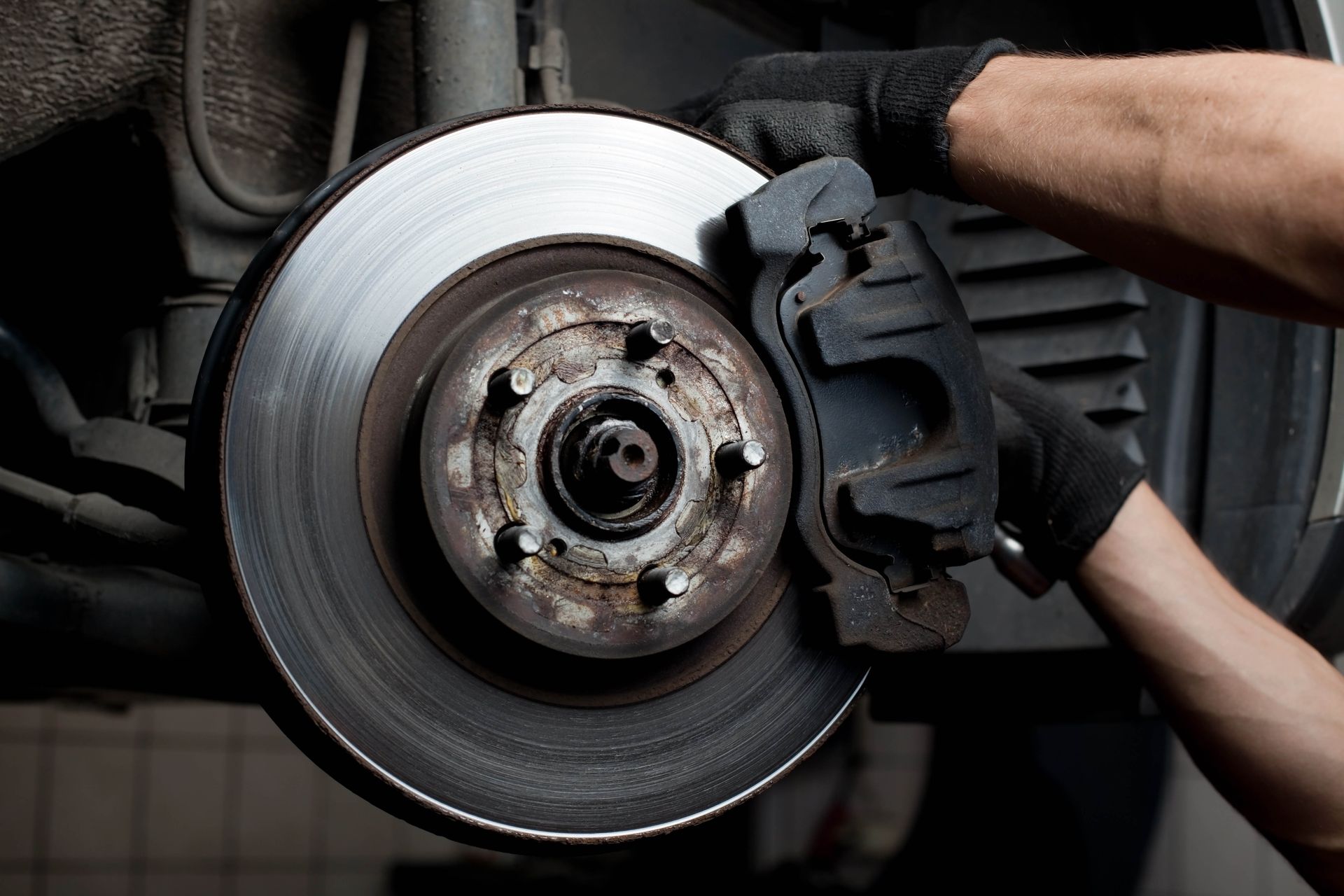
In an era where digital tutorials and video guides are available at the touch of a button, many vehicle owners feel empowered to tackle car maintenance in their own driveways. While the desire to save money and gain a sense of accomplishment is understandable, the reality of modern automotive repair is far more complex than it appears on a screen. Today’s vehicles are intricate machines that require specialized training and high-tech equipment to service correctly. Attempting to manage these systems without professional help often leads to unintended consequences that can compromise your safety and your wallet. For those looking to maintain their vehicle's integrity, seeking out local auto brake repair and other professional services is the most reliable way to ensure long-term safety.
Automobiles have evolved significantly over the last few decades, moving away from purely mechanical systems toward integrated digital environments. This transition means that a simple mistake in one area can trigger a cascade of issues across the entire vehicle's network. Professional mechanics spend years honing their craft to understand these nuances, an expertise that cannot be replicated by a weekend hobbyist. Relying on a professional ensures that your car receives the exact care prescribed by the manufacturer. Ultimately, the risks associated with amateur repairs far outweigh the perceived benefits of doing it yourself.
The Complexity of Modern Automotive Technology
Modern cars are essentially sophisticated computers on wheels, housing dozens of interconnected Electronic Control Units that manage everything from fuel injection to cabin climate. These systems communicate through complex data networks that require specialized diagnostic tools to interpret and calibrate. Without access to these proprietary systems, a DIYer is often left guessing about the source of a mechanical problem, which can lead to replacing parts that are not actually broken. The precision required for these repairs is incredibly high, as even a minor misalignment in a sensor can disable critical safety features. Professional technicians undergo continuous training to stay current with these rapid technological advancements.
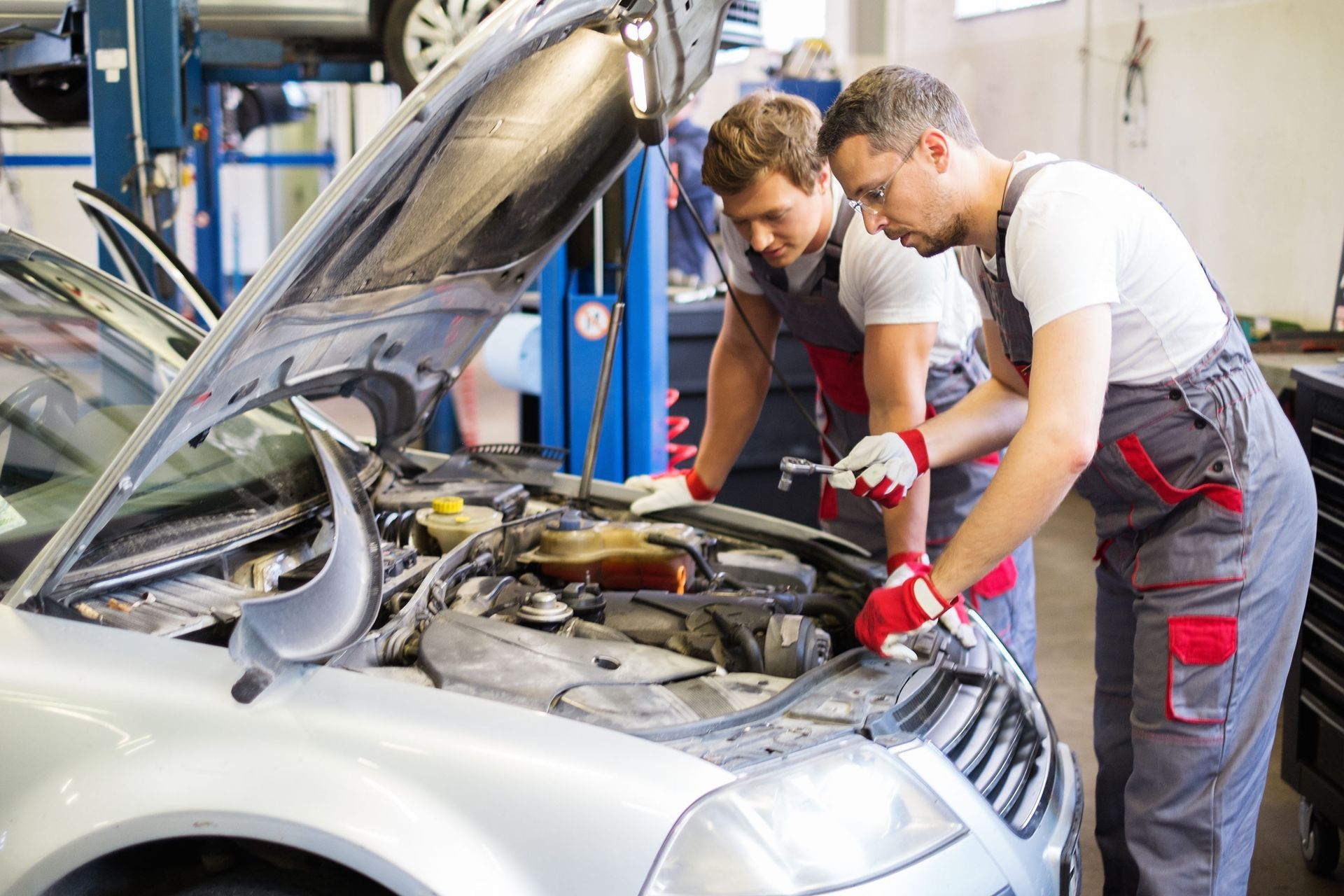
Beyond the digital aspects, the physical engineering of modern engines has become much more compact and difficult to navigate. Manufacturers often design engine bays with very tight tolerances, requiring specific sequences of disassembly just to reach a single component. This lack of space makes it easy for an untrained individual to accidentally damage surrounding hoses, wires, or clips during a repair. Furthermore, many modern components are made of lightweight alloys or plastics that are easily stripped or cracked if the wrong amount of force is applied. A professional shop possesses the specialized pullers, wrenches, and calibrated instruments needed to handle these delicate materials without causing collateral damage.
Furthermore, the integration of advanced driver-assistance systems has added another layer of difficulty to routine maintenance. Features like lane-keep assist and emergency braking rely on cameras and radar units that must be perfectly aligned to function. Even a simple windshield replacement or suspension adjustment can throw these sensors out of calibration, requiring a professional reset. If these systems are not handled by experts, they may fail to react during a real-world emergency. Entrusting your vehicle to a certified shop ensures that these high-tech safeguards remain operational and accurate.
Significant Safety Risks
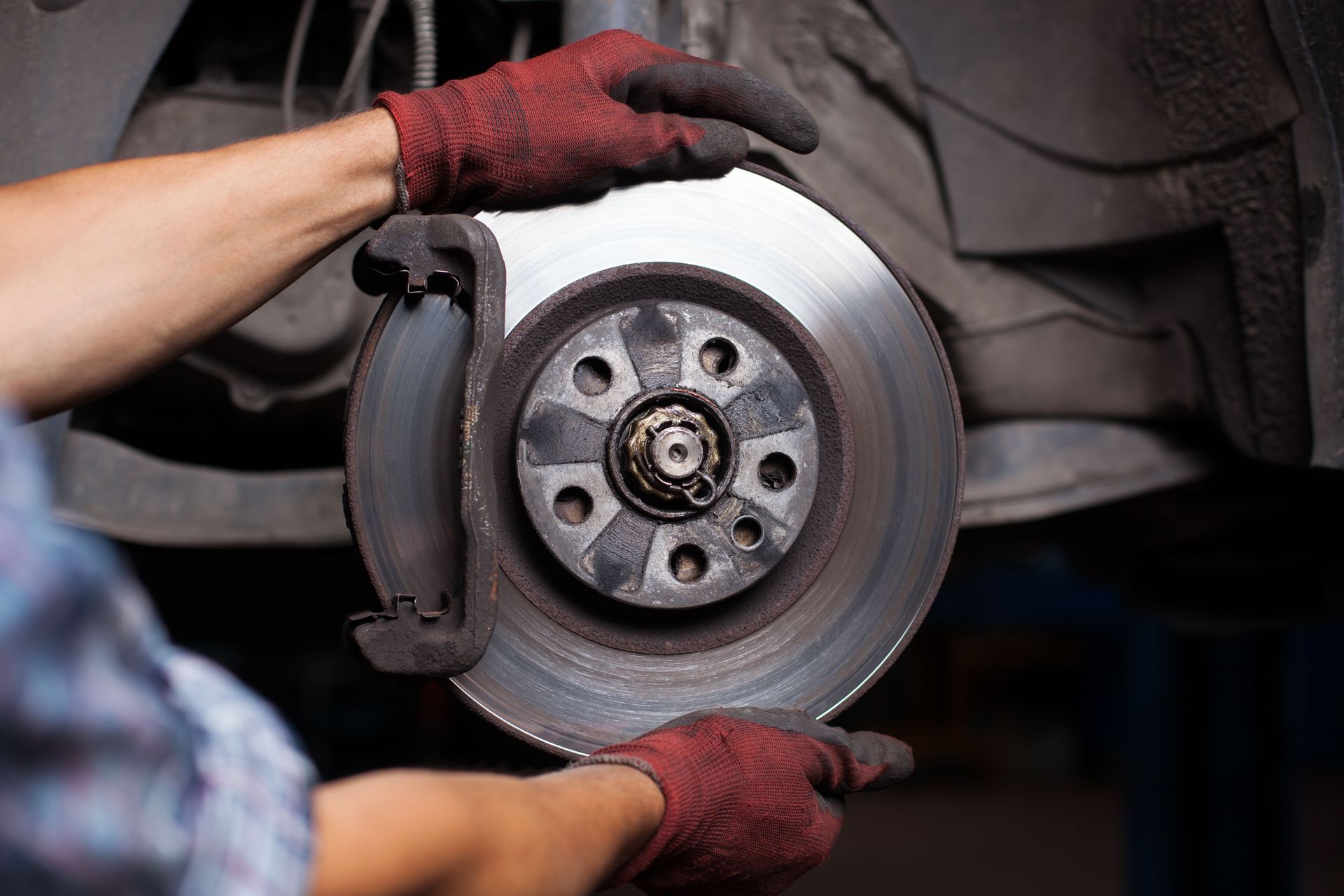
Working on a vehicle involves inherent physical dangers that are often underestimated by the average person. Professional garages are equipped with heavy-duty lifts and safety stands that provide a stable environment for under-car work, whereas home mechanics often rely on basic floor jacks. A vehicle falling from a jack can cause catastrophic injury or death in a matter of seconds. Beyond the risk of being crushed, there are dangers associated with moving engine parts, high-pressure fuel lines, and extreme heat. When you consider the importance of safety-critical systems, finding a professional for local auto brake repair becomes a matter of life and death.
Modern vehicles also contain systems that pose unique electrical and chemical hazards to the untrained. Hybrid and electric vehicles utilize high-voltage battery packs that can deliver a lethal electric shock if the proper de-energizing protocols are not followed. Even in traditional internal combustion engines, components like airbags contain small explosive charges that can deploy unexpectedly if mishandled. Additionally, many automotive fluids are highly caustic or toxic, posing risks to the skin, eyes, and lungs. Professional mechanics are trained in the safe handling and disposal of these substances, ensuring that neither the technician nor the car owner is put in harm's way.
The safety risks extend to the period after the repair is completed and the vehicle is back on the road. If a component is installed incorrectly or a bolt is not torqued to the manufacturer’s specification, it may fail while the vehicle is traveling at high speeds. A steering or suspension failure can lead to a complete loss of control, endangering the driver and other motorists. Professional shops provide the peace of mind that comes with knowing the job was done correctly the first time. They also carry liability insurance, which offers an extra layer of protection that a DIY project simply cannot match.
Ensuring Quality and Longevity
The quality of a repair is directly tied to the tools, parts, and expertise applied during the process. Professional mechanics have access to high-quality original equipment manufacturer parts that are designed specifically for your vehicle's make and model. In contrast, many DIYers opt for cheap aftermarket parts to save money, which often results in poor fitment and premature failure. These substandard parts can cause additional wear on related components, leading to more expensive repairs down the line. According to Kelley Blue Book, drivers should have a qualified mechanic inspect their vehicle every 12 months to identify potential issues.
Precision is another area where professional service shines, as mechanics use calibrated torque wrenches and diagnostic software to ensure every adjustment is perfect. An amateur might tighten a bolt until it feels "right," but over-tightening can lead to metal fatigue while under-tightening can cause the part to vibrate loose. These small details are the difference between a car that runs smoothly for years and one that suffers from constant mechanical gremlins. Professional shops also offer warranties on both parts and labor, giving you recourse if something goes wrong. This accountability is a vital component of maintaining a vehicle's long-term reliability and performance.
Documentation of professional service is also a key factor in a vehicle's longevity and resale value. A car with a complete history of professional maintenance is much more attractive to future buyers than one with a history of backyard repairs. Dealerships and private buyers alike value the transparency and reliability that come with official service records. These records prove that the car has been cared for by experts who understand its specific needs. By maintaining a professional relationship with a shop, you are essentially investing in the future value and health of your automotive asset.
While the idea of fixing your own car may seem like a great way to save money, the complexities of modern engineering make it a risky endeavor. The specialized tools, technical knowledge, and safety protocols required for modern automotive work are simply beyond the reach of most hobbyists. From the digital systems that control the engine to the physical components of your local auto brake repair, professional expertise is essential. Investing in professional service protects your safety, your vehicle's warranty, and its long-term resale value. Ultimately, the smartest way to care for your car is to leave the repairs to the trained professionals who have the experience to do the job right. For more information, contact Bullet Performance Engineering, Inc.
Share On: